

What Is the International Code Council (ICC)?
The International Code Council (ICC) is a nonprofit organization based in Washington, D.C., dedicated to developing model building codes and standards used throughout the United States. Founded in 1994 through a merger of three legacy code organizations, the ICC’s mission is to ensure safe, sustainable, affordable, and resilient structures by producing a family of coordinated International Codes® (I-Codes®). These model codes are adopted—often with local amendments—by jurisdictions across all 50 states, serving as the legal foundation for building regulations nationwide.
Key functions of the ICC include:
Why Building Codes Matter for Steel Structures
Steel framing is prized for its strength, durability, and design flexibility. However, without consistent regulations, variations in material quality, connection methods, and fire protection could compromise safety. That’s where ICC codes come in:
The International Building Code (IBC) specifies how steel columns, beams, and bracing systems must be designed to withstand gravity loads, wind pressures, seismic forces, and other environmental stresses.
Seismic design requirements reference ASCE 7, Minimum Design Loads for Buildings, ensuring steel structures in earthquake-prone regions (e.g., California) meet rigorous performance criteria.
IBC chapters on “Structural Steel” incorporate ASTM and AISC (American Institute of Steel Construction) specifications for chemical composition, yield strength, tolerances, and fabrication.
These standards guarantee that steel members used in construction—whether wide-flange beams or light-gauge profiles—have consistent mechanical properties wherever they are produced in the U.S.
Steel loses strength at high temperatures. The International Fire Code (IFC) and related sections of the IBC mandate fire-resistant coatings, sprinkler systems, and smoke-control measures for buildings with exposed steel framing.
Fire-resistance ratings (e.g., one-hour, two-hour) are determined by ASTM E119 or UL 263 fire tests, ensuring that steel elements maintain integrity long enough for safe evacuation and firefighting.
The ICC Evaluation Service (ICC-ES) issues Evaluation Reports for innovative steel products—such as new connection systems, composite panels, or corrosion-resistant alloys—confirming they comply with applicable I-Codes®.
Manufacturers use ICC-ES reports to demonstrate code compliance to building officials, expediting approval and encouraging adoption of cutting-edge steel technologies.
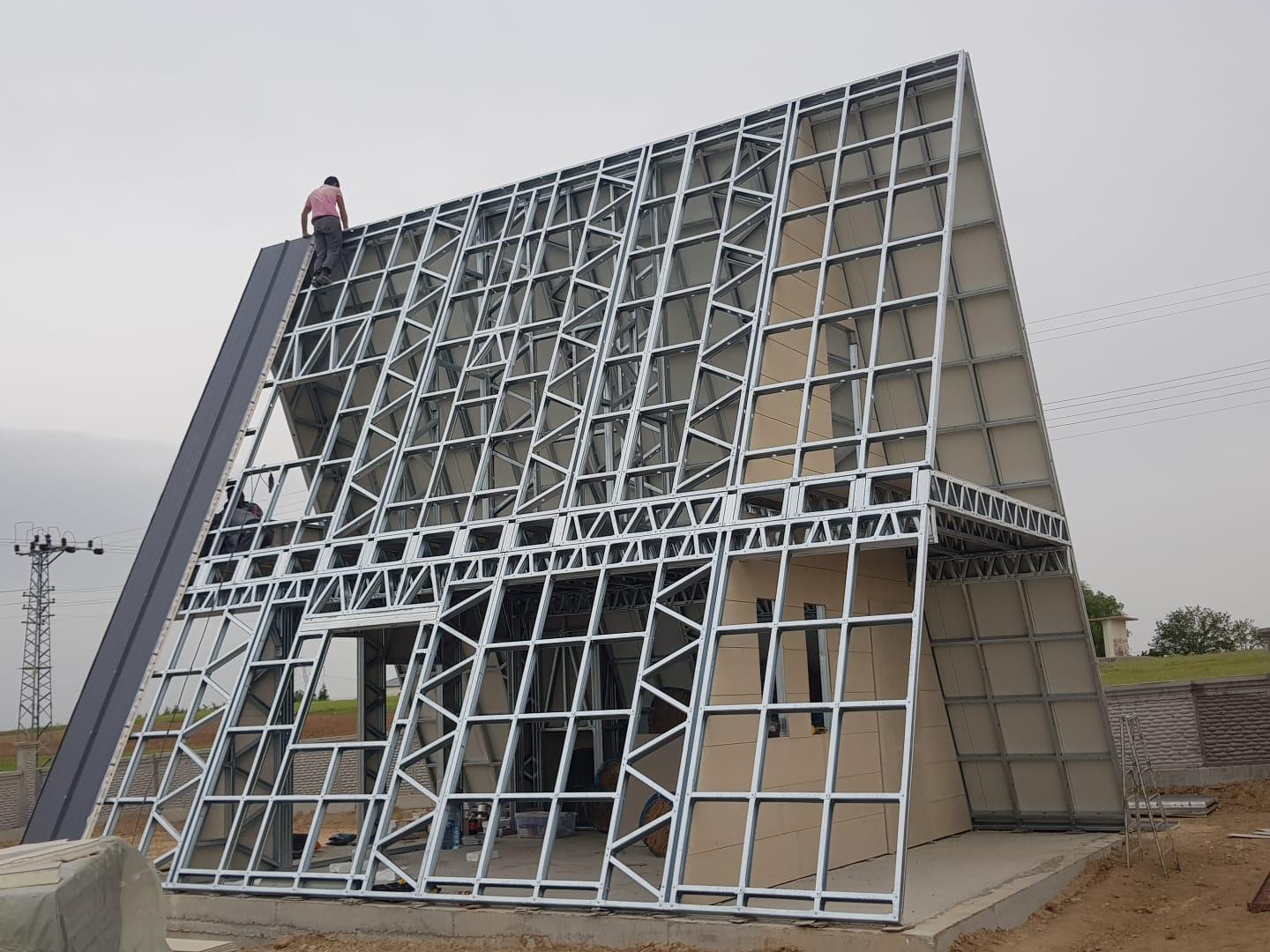
Overview of Key ICC Codes for Steel Construction
Below are the principal ICC codes that govern steel-framed buildings in the U.S.:
Each code is updated on a three-year cycle (e.g., IBC 2018, IBC 2021, IBC 2024), integrating advances in materials science, engineering research, and lessons learned from real‐world performance.
How ICC Codes Are Adopted in the United States
We have a track record of delivering significant extension and expansion projects for buildings as diverse as schools, leisure centres, churches, and industrial units – providing much needed space and new facilities for our clients. We are used to working in close proximity to occupied buildings.
For example, Florida might adopt the 2021 IBC with additional wind-load provisions tailored to hurricane risk, while California adds seismic design maps and soil factors.
Contractors and engineers submit stamped calculations, shop drawings, and ICC-ES evaluation reports to demonstrate compliance.
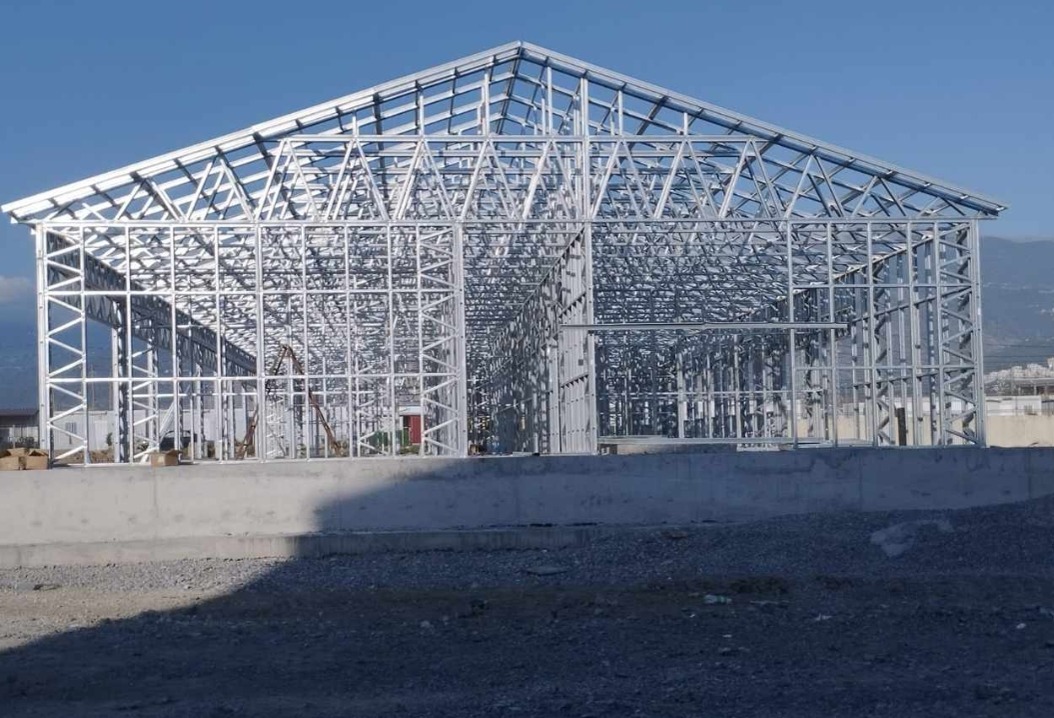
Benefits of ICC Code Compliance for Your Steel Project
1- Regulatory Approval:
2- Safety Assurance:
3- Insurance & Financing
4- Market Credibility:
For any steel-framed building in the United States—from single-family homes using light-gauge steel to multi-story commercial towers—the International Code Council’s model codes are the cornerstone of safety, quality, and legal compliance. By adhering to the I-Codes® (particularly the IBC and IRC) and leveraging ICC-ES evaluation services, design professionals and contractors ensure that steel structures are resilient, fire-safe, and energy efficient.
Staying abreast of the latest ICC code editions and understanding state- and local-level amendments will both streamline your permitting process and elevate the performance of your steel projects. In a market where reliability and reputation go hand in hand, ICC compliance is not just a requirement—it’s a competitive advantage.